What a Roof Inspection Covers on a Dallas Home
A roof inspection is a top-to-bottom audit of the rooftop, the attic, and the drainage, done before anyone quotes a repair or a replacement. We look at the whole system, because a leak rarely starts in the middle of the field of shingles.
- Flashing: step flashing, counter-flashing, apron flashing, and boot flashing are where water gets past the roof most often, especially in a valley or along a chimney.
- Shingles: we note granule loss on an asphalt shingle, a curled three-tab shingle, and any cracked architectural shingle across the field course.
- Underlayment: roofing felt, tar paper, synthetic underlayment, and the ice-and-water shield at the eave all get checked for tearing and exposure.
- Ventilation: a clogged ridge vent, a painted-over soffit vent, and an attic fan that no longer runs can push attic heat past 140 degrees in July.
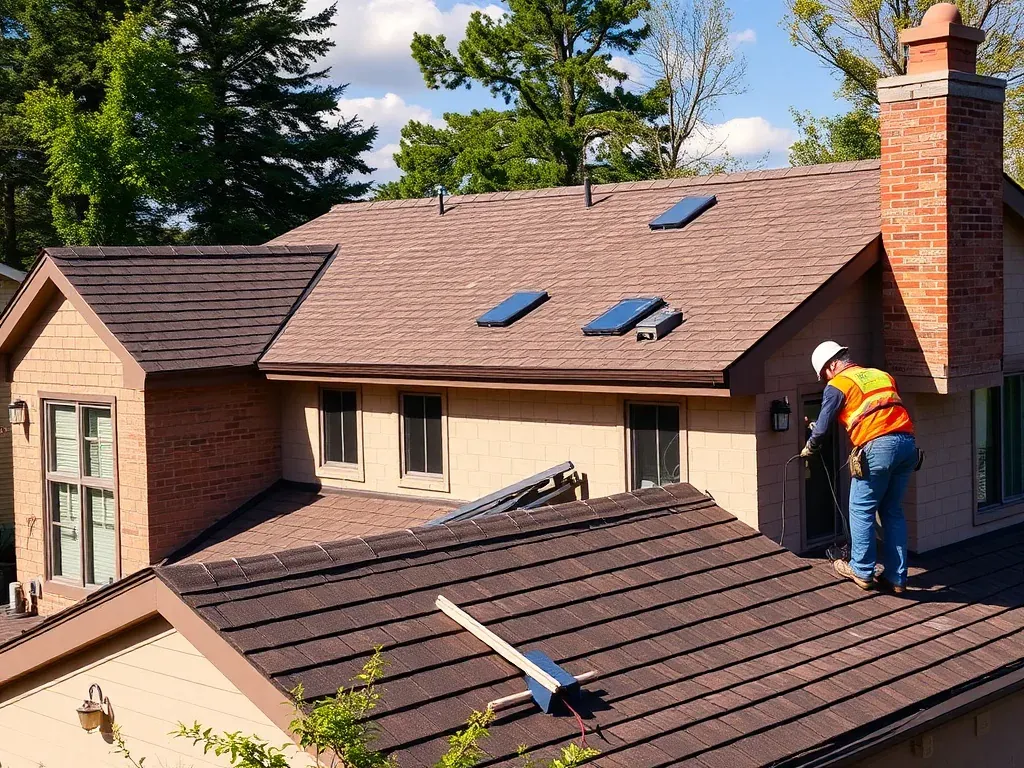
- Penetrations: chimney flashing, pipe flashing, a worn pipe boot, a vent boot, and any skylight get tested by hand for soft sealant and caulk.
- Water management: the gutter, downspout, fascia, and soffit tell us whether water is leaving the roof or soaking the fascia board behind it.
- Structure: the roof deck, plywood, OSB, and sheathing are checked from inside the attic for rot, decay, and sag.
- Attic envelope: insulation depth and the vapor barrier get measured, since both affect moisture and your summer cooling bill.
How Our Inspection Process Works
We schedule in a real window, not a vague afternoon, and you get a call when the crew is on the way. Here is the sequence from driveway to written report.
- Drone imagery captures the full rooftop and roofline, including the gable ends, hip ridges, and any verge you would rather not study from a ladder.
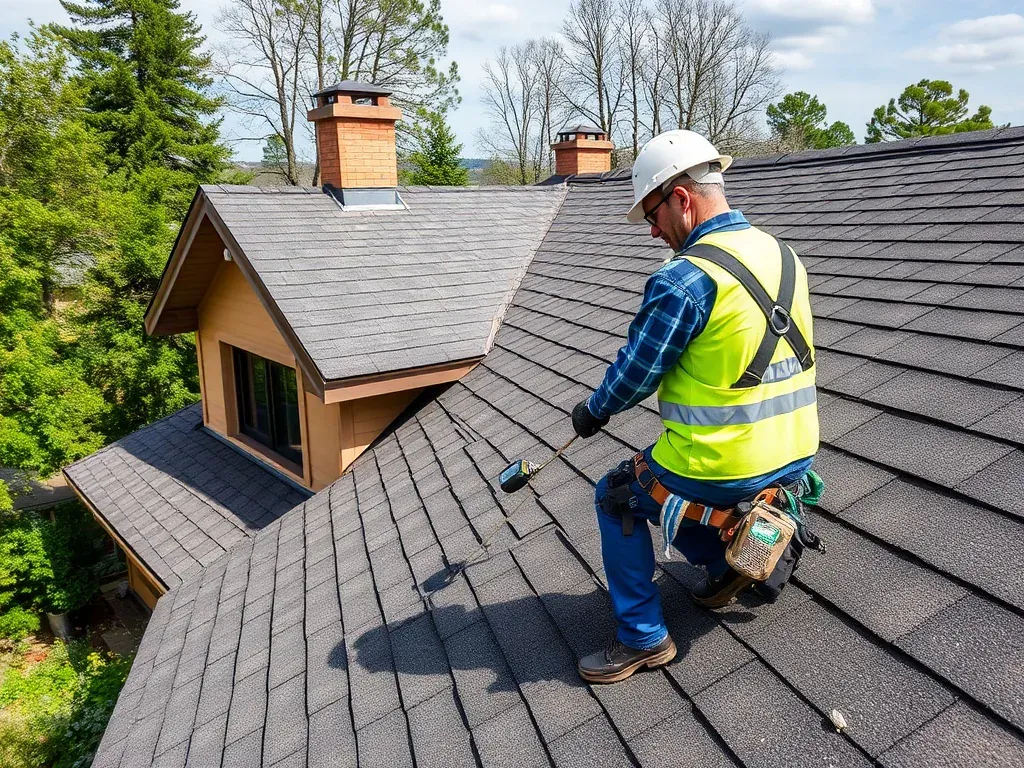
- A ladder and safety harness get us onto the roof deck, and a scaffold or an anchor is used on steep pitch so nobody works a wet slope.
- A moisture meter reads the ceiling, the rafters, and the decking below any stain, which separates an active leak from an old one.
- An infrared scan of the attic picks up wet insulation and hidden wicking that does not show on the surface yet.
- We check the roof truss, rafter, and joist for rot, and we look at the ridge beam where a sag first appears.
- You receive a written report with photo evidence, with findings ranked by severity rather than a list of everything we could sell you.
- A line-item roof estimate follows within a day, split into what is urgent, what can wait a season, and what is cosmetic.
Roof Systems and Materials We Evaluate
The report reads differently depending on what sits over your head. A 1950s ranch in Lakewood and a newer tract home in Casa View fail in different places.
- Asphalt shingles: three-tab shingle, architectural shingle, wood shake, and cedar shake all age at different rates under Dallas UV exposure.
- Tile and slate: clay tile, concrete tile, and slate crack from thermal expansion, and the underlayment beneath them is usually older than the tile itself.
- Metal: a metal panel, standing-seam panel, or corrugated panel gets checked at every fastener along the purlin, batten, or counterbatten, since a backed-out screw and hardened sealant are the usual entry points.
- Low-slope and flat: membrane, TPO, EPDM, and PVC membrane get probed for ponding, and a built-up roof with tar, bitumen, or modified bitumen gets checked at the flashing bead and the scupper.
- Roof geometry: hip, gable, mansard, and gambrel shapes change where water sits, and a dormer, parapet, coping stone, canopy, awning, or overhang adds a joint that can fail.
- Edges: the drip edge, rake, eave, ridge, ridge cap, and every valley get walked, because wind-driven rain gets under the course right there.
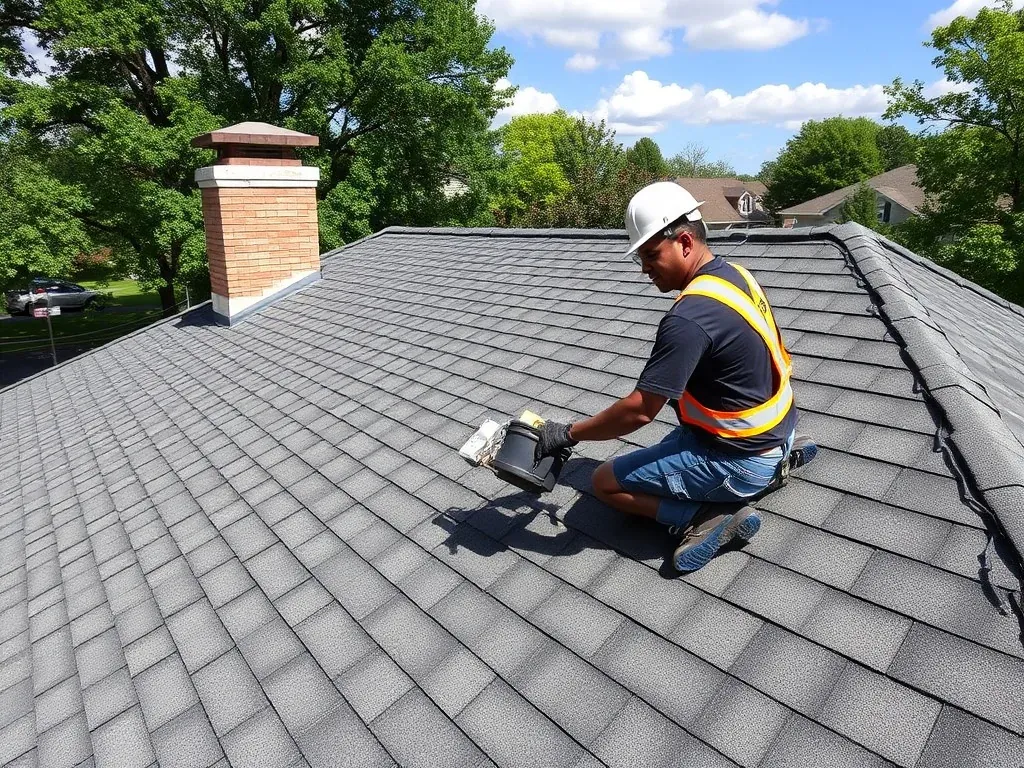
- Waterproofing: roof cement, mastic, adhesive, and sealant get pressed onto a suspect joint, and a snow guard or anchor is checked for a loose fastener.
- Coatings: a recoat is measured for dry film thickness on the substrate, since a thin application flakes off within a season.
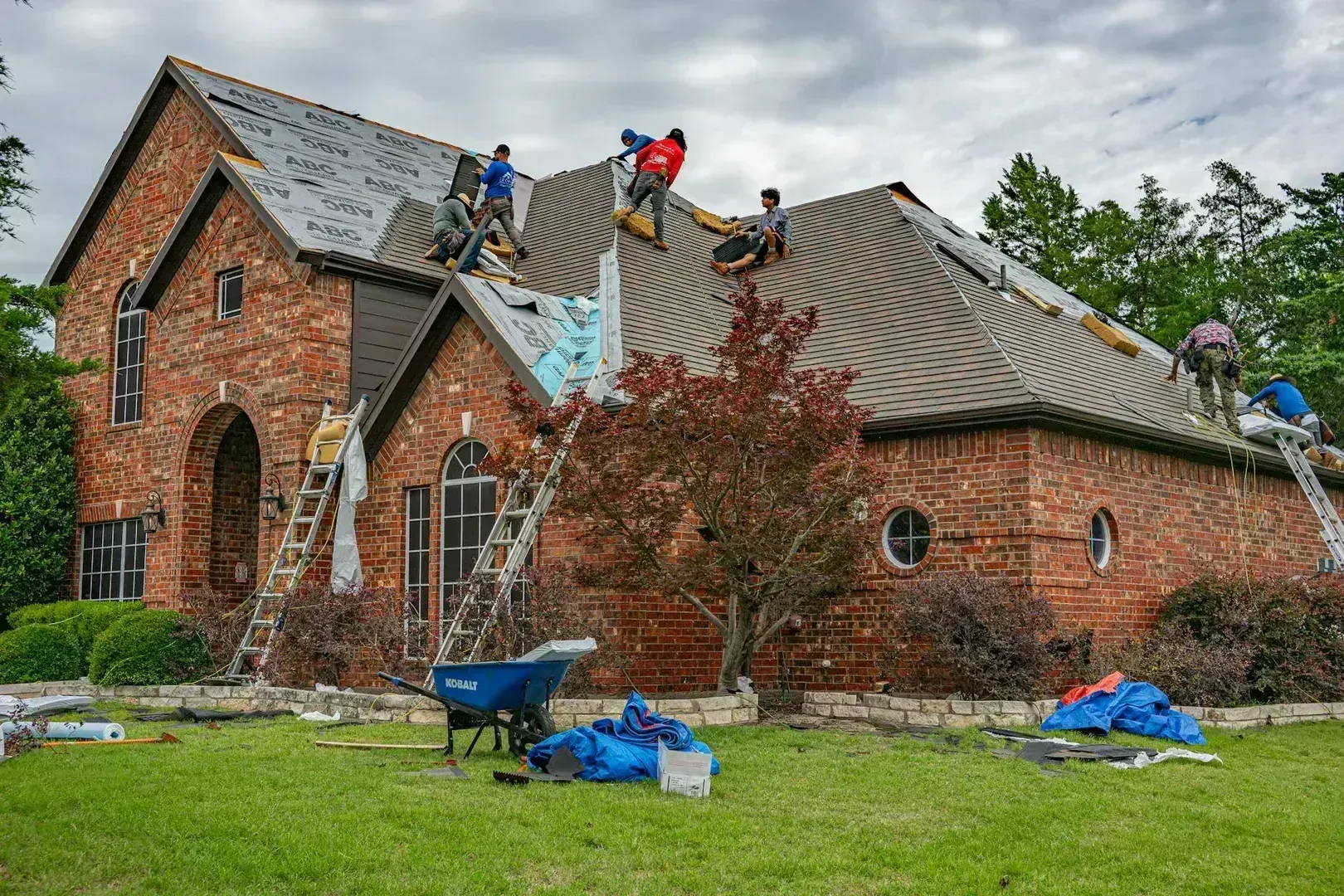
- Tools and hardware: a roofing square, nail gun, air compressor, pry bar, roofing shovel, and torch come out when we open a test area, with a dumpster staged for debris on any tear-off.
What a Roof Estimate Runs in Dallas County
The visit costs you nothing when we are quoting the repair or the replacement, and you owe nothing to hear what we found. A standalone written report for a home purchase runs in the low hundreds on a typical single-family house.
- Roof size and pitch drive the number, since a steep hip roof takes longer and needs more fall protection.
- Penetration count matters, because each chimney flashing, pipe boot, vent boot, and skylight is its own detail and its own seal.
- Decking condition changes the figure fast, since replacing plywood or OSB sheathing adds material, labor, and dumpster space.
- Access decides the setup, whether we park a trailer on the driveway or run off a ladder near US-75.
Warranty, Insurance, and Dallas Building Code
We are licensed & insured, and as a roofing contractor we document what we see so your adjuster works from photographs instead of a description. Manufacturer coverage only holds when the installation matches the written spec.
- Workmanship coverage stays with the installer, which is why you want it in writing before the first nail goes in.
- Storm damage claims in Dallas County spike after spring hail, and adjusters want photos taken before any tarp or repair happens.
- Building code items such as attic ventilation ratios, drip edge, and the ice-and-water shield at the eave get noted so a future sale does not stall.
- We do not decide your claim, and we tell you when the damage sits below your deductible instead of pushing a filing.
Maintenance Tips That Keep a Roof Off the Emergency List
Dallas gets hail in spring, UV all summer, and occasional high wind that lifts a ridge cap. A few habits keep small problems small.
- Walk the yard after a storm and check for granules at the base of the downspout, which means the shingle surface is leaving.
- Clear the gutter and the soffit vent each fall so water does not wick into the fascia behind them.
- Go into the attic in August with a flashlight and look for daylight, dark streaks, or a soft rafter.
- Trim limbs away from the rooftop and roofline, since a branch that rubs a shingle erodes it within a couple of seasons.
- Book a yearly visit once the roof passes fifteen years, because end-of-life wear shows up in the report long before it shows on your ceiling.
- An ice dam is rare here, but the ice-and-water shield still earns its place at the eave during a hard freeze.
One last thing for Dallas homeowners: the report is the product, not a sales pitch.
A roofer who walks the decking, looks at the substrate under the field course, and photographs a scupper or coping on a parapet is doing the job properly. Call 214-286-5623 when you want that on your roof.
Signs You Need Roof Inspection
Water Stains Indoors
Brown rings on a ceiling in Uptown or Oak Lawn usually mean water has been wicking along the decking for months. By the time the paint bubbles, the sheathing is often already soft.
Granules in the Gutter
Granule loss from UV and hail shows up at the base of a downspout long before the shingle looks worn. That surface loss is the first stage of end-of-life wear.
Shingles Lifted After a Storm
Spring hail and high wind lift or crack shingles along the rake and ridge, which is where the next leak starts. Coverage decisions depend on photos taken before anything is repaired.
Thermal Cracking at Flashings
Summer heat cycles expand and crack both wood and metal flashings, especially chimney flashing and pipe boots. A cracked flashing bead lets water seep under the course.
You Are Buying or Selling
A pending home purchase is the most common reason homeowners call us for documentation. Sellers in Texas must disclose known roof conditions, and a written report protects both sides.
Your Carrier Asked for Proof
Insurance carriers often require an inspection before they renew or settle a claim. Age past fifteen years, ponding on a flat membrane, or a past storm date all trigger that request.
What's Included
- ✓ Drone or aerial imagery of the full rooftop and roofline, delivered as files you keep.
- ✓ Moisture meter readings at every stain, rafter, and section of decking we can reach.
- ✓ Infrared scan when the attic shows a temperature difference that suggests hidden moisture.
- ✓ A written report with photo evidence, with each finding dated and ranked by severity.
- ✓ Repair recommendations prioritized so you know what is urgent and what can wait a season.
- ✓ A line-item roof estimate with materials, labor, and disposal listed separately.
- ✓ A review of ventilation, insulation, and the vapor barrier, since attic heat shortens roof life.
Related Services
Ready to get started? Call us today at 2142865623 for a free estimate.
☎ Call 2142865623