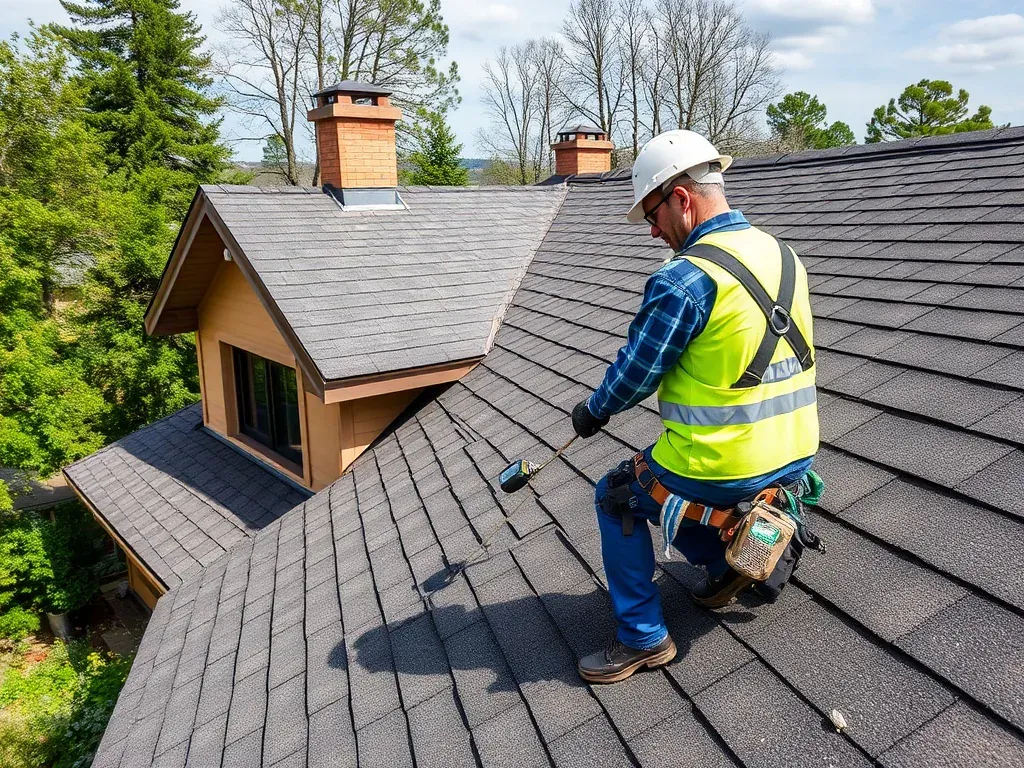
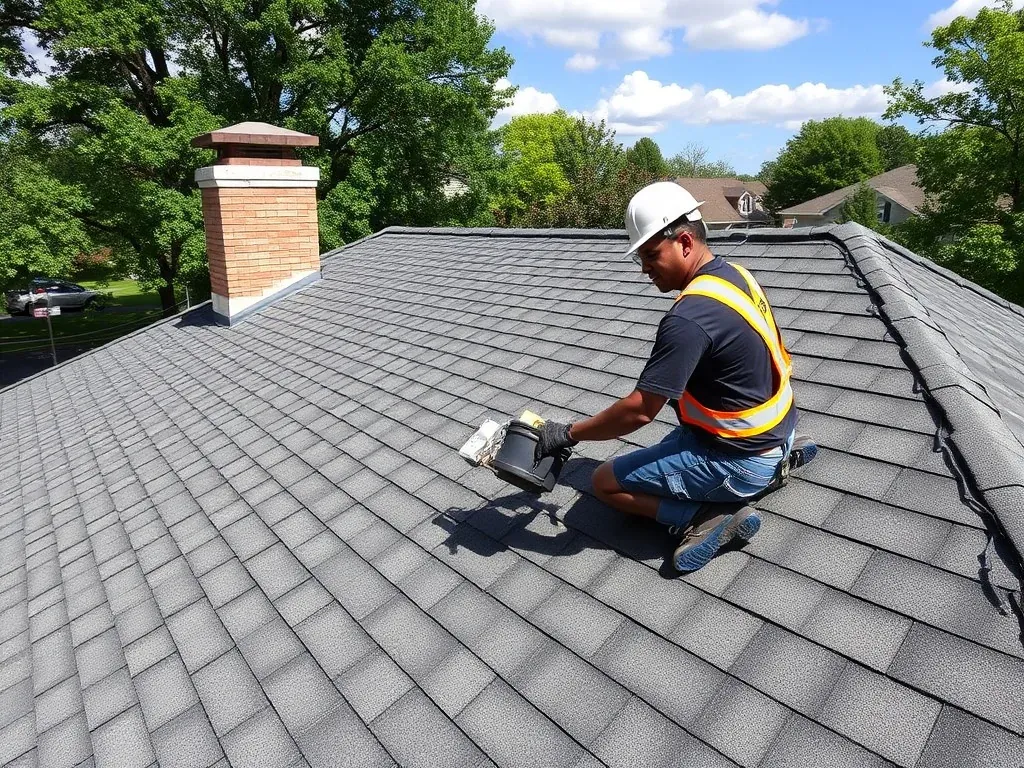
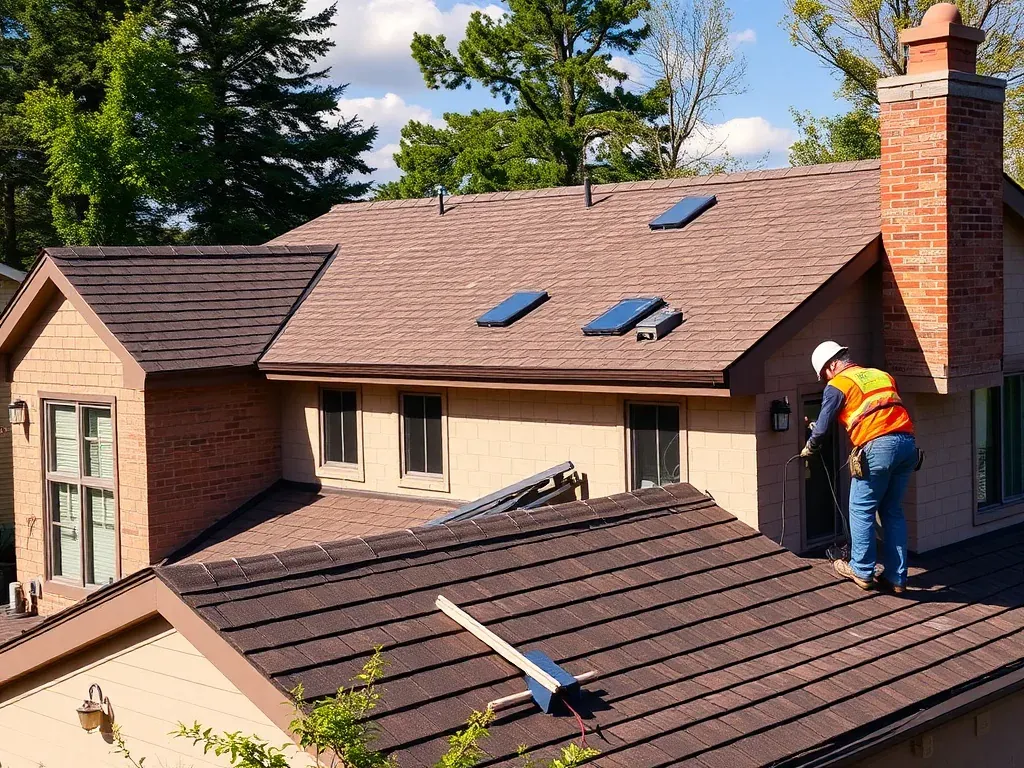
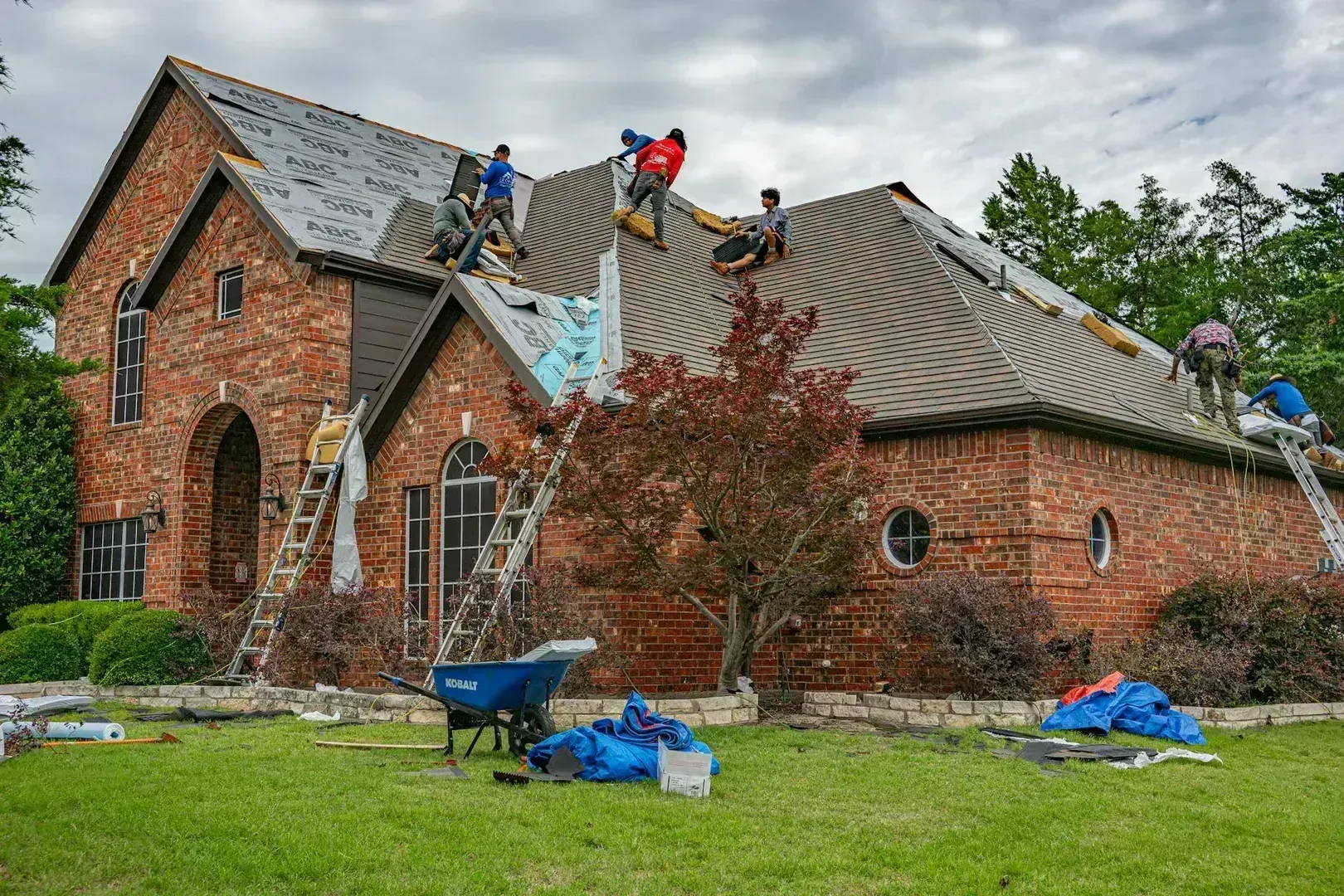
What Metal Roofing Involves
A metal roof is a panel system, not a shingle field. We strip down to the decking, replace anything soft, then build a substrate the panels can lock onto without trapping moisture underneath.
- Standing-seam panels use concealed clips, so no fastener head ever sits exposed to the weather.
- Exposed-fastener panels, including corrugated panel profiles, run screws through the face and cost less per square.
- Stone-coated steel copies wood shake, clay tile, or slate at a fraction of the dead load on your rafters.
- Aluminum panels resist salt spray where steel fasteners would corrode first.
- Galvalume carries a 55 percent aluminum-zinc coating that guards cut edges against rust.
- Galvanized steel to ASTM A653 Grade 50 is the workhorse substrate for most residential work.
- Kynar 500 prepainted finishes hold color because the resin content runs near 70 percent.
Detailing is where a panel roof lives or dies. We run self-adhered underlayment through every valley, set a proper drip edge at the eave, and tie the ridge cap down so wind cannot get under a panel edge.
Ventilation gets worked out before the first panel goes down. A ridge vent, soffit vent, or attic fan has to move air under the metal, or summer heat cooks the roof deck and the insulation below it.
Signs You Need Metal Roofing
Most homeowners call us because shingles have failed, not because panels have. These are the conditions that push a Dallas roof toward metal:
- Rust stains across the panel face or at the fasteners mean water is already wicking into the underlayment.
- Loose panels flap and rattle in a north Texas wind event, and every rattle widens the screw holes.
- Water pooling or staining along panel seams points to a failed sealant bead or compressed backer.
- Factory paint that has faded or is chalking shows the coating starting to erode under UV exposure.
- Corrosion at fasteners accelerates near coastal counties, where salt spray rides inland on humid air.
- Panels that lifted or separated after high wind rarely seal back down without new clips and screws.
- Thermal expansion that has closed the designed gaps at the ridge shows the system was fastened too tight.
Our Metal Roofing Process
We schedule a roof inspection first, then a written roof estimate with line items. No deposit until you have seen the numbers in front of you.
- Roof inspection with photos of every slope, valley, and penetration, so you see what we see.
- Tear-off of the old shingle, felt, or tar paper down to the sheathing, then a check for rot and soft plywood.
- Deck repairs, where we replace rotted plywood or OSB and re-nail loose sheathing to the rafters and trusses.
- Substrate build with synthetic underlayment, ice-and-water shield at the eaves and valleys, and a vapor barrier where the building code requires one.
- Panel layout so field courses land cleanly on the purlins or battens instead of ending in a two-inch sliver.
- Flashing work at step flashing, counter-flashing, chimney flashing, apron flashing, and pipe flashing at every penetration.
- Trim and finish, including drip edge, ridge cap, sealant, and new boots at the skylight and vent pipes.
- Magnetic sweep for stray nails and screws, then the dumpster leaves the same week.
On some roof structures we add a batten system, and a counterbatten runs perpendicular to create a drainage plane. Ice dams are rare here, so snow guards almost never come up, but hail dents and wind uplift do.
Cost Considerations in Dallas
Metal costs more up front than asphalt and less than a full slate or clay tile job. Most Dallas County quotes land between $900 and $1,800 per roofing square installed, depending on panel type and roof complexity.
- A 2,000 square foot ranch with a simple gable and few penetrations usually sits at the low end of that range.
- A hip roof with dormers, skylights, and a pair of valleys adds labor, flashing, and waste factor.
- Standing seam costs more than exposed fastener because clips, closer strips, and panel bending take longer.
- Stone-coated steel falls between the two on price and installs over a prepared deck much like a shingle.
- A recover over the existing roof is sometimes possible, but we will not overlay a deck with rot or a failed membrane.
Financing is available, and every number goes in writing before the work starts.
Warranty and Insurance
Metal panels carry a manufacturer finish warranty running 25 to 50 years, and our own workmanship coverage sits on top of that.
- Manufacturer finish warranties cover chalking, fading, and coating failure, but not hail damage or tree limbs.
- Workmanship coverage protects the installation itself, including clips, fasteners, sealant, and flashing.
- Spring hail is the most common reason Dallas homeowners file a claim, and we document dents and strike marks before anything is touched.
- We meet the adjuster inspection on site and photograph the same slopes they do.
- If the insurance scope misses flashing, ventilation, or code-required items, we submit a supplemental claim with the line items attached.
- Claim deadlines matter, and a proof of loss form has to be filed inside the window set from the storm date.
Why Choose Dallas Roof Master for Metal Roofing in Dallas
Dallas County sees spring hail, intense summer UV, and tornado-driven wind that tests every clip holding a panel down. We build to International Building Code wind uplift standards and pull a city permit before installation, because an unpermitted roof complicates a sale later.
From Highland Park and Preston Hollow to Casa View and Lakewood, we work on 1950s ranch homes, newer tract houses, and historic Tudor Revival roofs with real pitch changes. Homes near I-635, I-30, and US-75 collect more wind-driven debris than most.
A clear view of the Downtown Dallas skyline usually means a more exposed roofline and more uplift on the panels. As a licensed and insured roofing contractor, we will also tell you when metal is the wrong call for your budget.
Signs You Need Metal Roofing
Rust Streaks on Panels
Rust across a metal panel or around the fasteners means water has already reached the underlayment. Through a Dallas summer, that moisture wicks into the decking and softens it.
Loose Panels Flapping in Wind
Panels that rattle during a north Texas wind event are already working their screws loose. Each gust widens the holes and lets water in behind the panel.
Leaks Along Panel Seams
Water staining at a seam usually points to a failed sealant bead or a compressed backer. Left through a hail season, that leak reaches the sheathing and the insulation.
Faded or Chalking Paint
Factory paint that powders off on your hand means the coating is eroding under intense UV exposure. Once the finish thins, the bare steel starts to oxidize.
Fastener Corrosion
Corroded screws and clip heads are the first sign a roof is losing its water barrier. Salt spray and humidity accelerate that decay faster than most homeowners expect.
Panels Lifted After High Wind
Panels that separated or stood up after a storm rarely seal back down on their own. New clips and fasteners are usually the only fix that holds through the next wind event.
What's Included
- ✓ Free roof inspection with a photo report covering every slope, valley, and flashing detail.
- ✓ Manufacturer warranty registration filed for your panels and factory finish.
- ✓ Permit pull with the city before any panel or decking work begins.
- ✓ Dump fees and dumpster placement, already itemized in the written roof estimate.
- ✓ Deck repair and sheathing replacement for rot found during the tear-off.
- ✓ Full cleanup with a magnetic sweep of the lawn and driveway for nails and screws.
- ✓ Final walkthrough with photos of the finished roofline and ridge cap.
Related Services
Ready to get started? Call us today at 2142865623 for a free estimate.
☎ Call 2142865623