What Roof Coating Involves
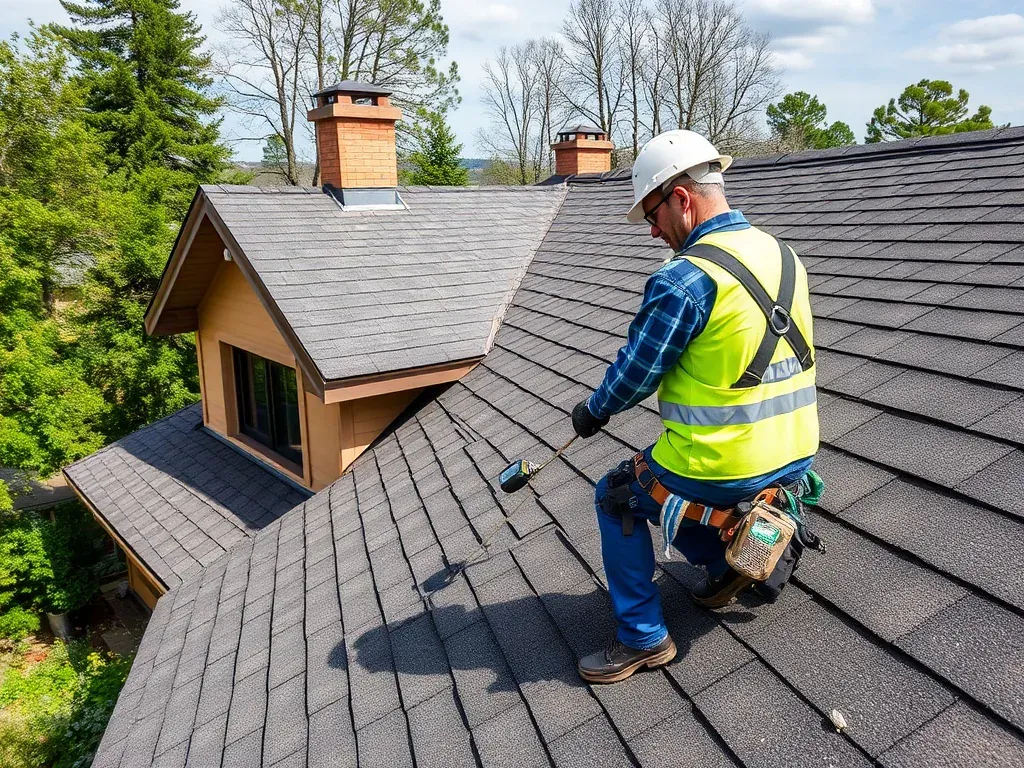
The work begins with a roof condition survey, because a coating only performs when the substrate below it is dry, sound, and free of trapped moisture. We walk the deck, check the purlins and battens, and mark every place water is already winning.
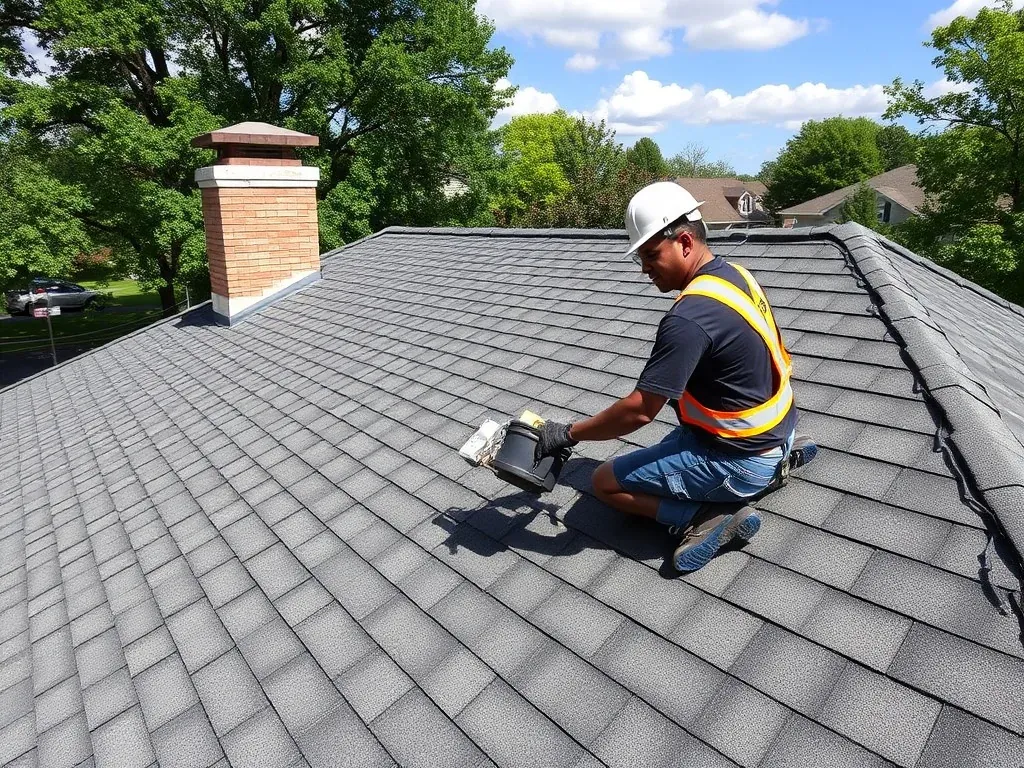
After the surface passes, we apply a primer system matched to the existing material, then build film thickness in passes. An acrylic coating and a silicone coating behave differently over ponding water, and cure time between coats decides how long the system lasts.
- Elastomeric coating flexes with thermal movement, so a seam that opens in Dallas heat stays closed instead of cracking.
- Acrylic coating is the reflective choice for metal panel and modified bitumen roofs that drain well.
- Silicone coating tolerates ponding water and stays flexible, which suits low-slope sections that never fully dry.
- Polyurethane coating adds tensile strength and abrasion resistance near rooftop units and access paths.
- Primer systems bond to TPO, EPDM, PVC membrane, built-up roof, tar, and aged asphalt surfaces.
- Ridge, ridge cap, and ridge vent get checked first, since heat and moisture leave the attic right there.
- Step flashing, counter-flashing, chimney flashing, and pipe flashing are the details that leak once they pull loose.
- Fascia, rake, eave, and soffit edges show whether the roof edge is weatherproofing the wall or just dressing it.
- Hip, gable, and verge conditions on pitched sections decide whether coating is worth discussing at all.
- Screws, fasteners, sealant, caulk, adhesive, and mastic all get touched, because a failed bead defeats a good membrane.
A metal panel roof, whether standing-seam panel or corrugated panel, coats well once the primer matches its existing finish.
Signs of UV Degradation and Membrane Failure
UV degradation is the slow part. The membrane chalks, the surface flakes, then blistering appears where moisture is trapped under the sheet. By the time you see interior staining at a column line, water has been traveling for months.
- Ponding water still sitting 48 hours after rain points to a drainage or roof pitch problem, not a tired surface.
- Seam separation and flashing pull-away at the parapet are the two failures we find most often on flat roofing.
- Blistered, alligatoring, or chalking surfaces mean the top ply has already lost its protective bitumen.
- Debris packed into scuppers, gutters, and downspouts pushes water sideways into coping joints.
- Ceiling stains near an old skylight, dormer, or chimney usually trace back to a failed flashing bead.
- An ice dam is rare here, but a hard freeze still pushes water past the drip edge at the eave.
Our Process, Step by Step
- Roof asset survey with moisture meter readings, plus an infrared scan where the deck reads questionable.
- Written specification review with the building owner before any material is ordered or scheduled.
- Repairs first: wet plywood or OSB sheathing comes out, fasteners get reset, and pipe boots get resealed.
- Reinforcing fabric embedded at every seam and valley, then a repair coat squeegeed over the fabric.
- Primer rolled on and left to flash off, with coverage rate checked against the wet film target.
- Base coat and finish coat applied by roller application or airless sprayer, with cure time between passes.
- Final walk-through with photos, a magnetic sweep for dropped nails, and dumpster removal of debris.
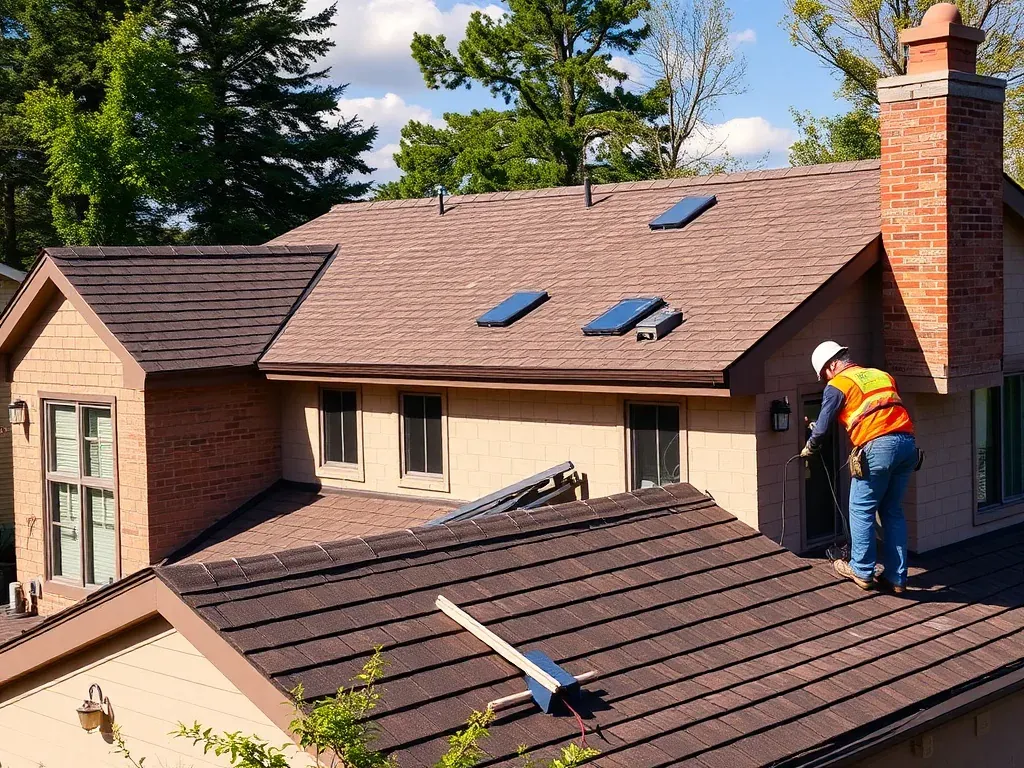
Crews work off scaffold or a ladder in a safety harness, and small deck repairs use a pry bar, roofing shovel, and a nail gun fed by an air compressor. Under the deck, trusses, rafters, joists, and the ridge beam get a look whenever there is sag or a soft spot.
What a Coating System Costs in Dallas
Commercial coating work usually lands between $1.50 and $4.00 per square foot installed, and we hand you a line-item estimate so you can see where the money goes.
- Total square footage, plus the number of separate levels, mansard sections, or canopy areas on the building.
- Penetration count, since every pipe flashing, vent boot, chimney flashing, and curb adds prep time.
- Existing surface type, because TPO and EPDM prep differently than modified bitumen or a built-up roof.
- Repairs found in the survey, including wet decking, corroded fasteners, and failed roof cement at a gutter.
- Access, whether that means a ladder or scaffold and lift over a job near the Downtown Dallas skyline.
Warranty, Insurance, and What Coating Cannot Fix
Manufacturer warranties on coating systems come in several term lengths, and the strongest versions are non-prorated and require an approved applicator. We register the coverage in your name and leave the paperwork with you.
Coating will not fix a hail-bruised membrane or a roof already at end-of-life wear. When a spring storm bruises the surface, we document the damage for an insurance claim rather than sell a coating that will not hold.
When a Coating Is the Wrong Call
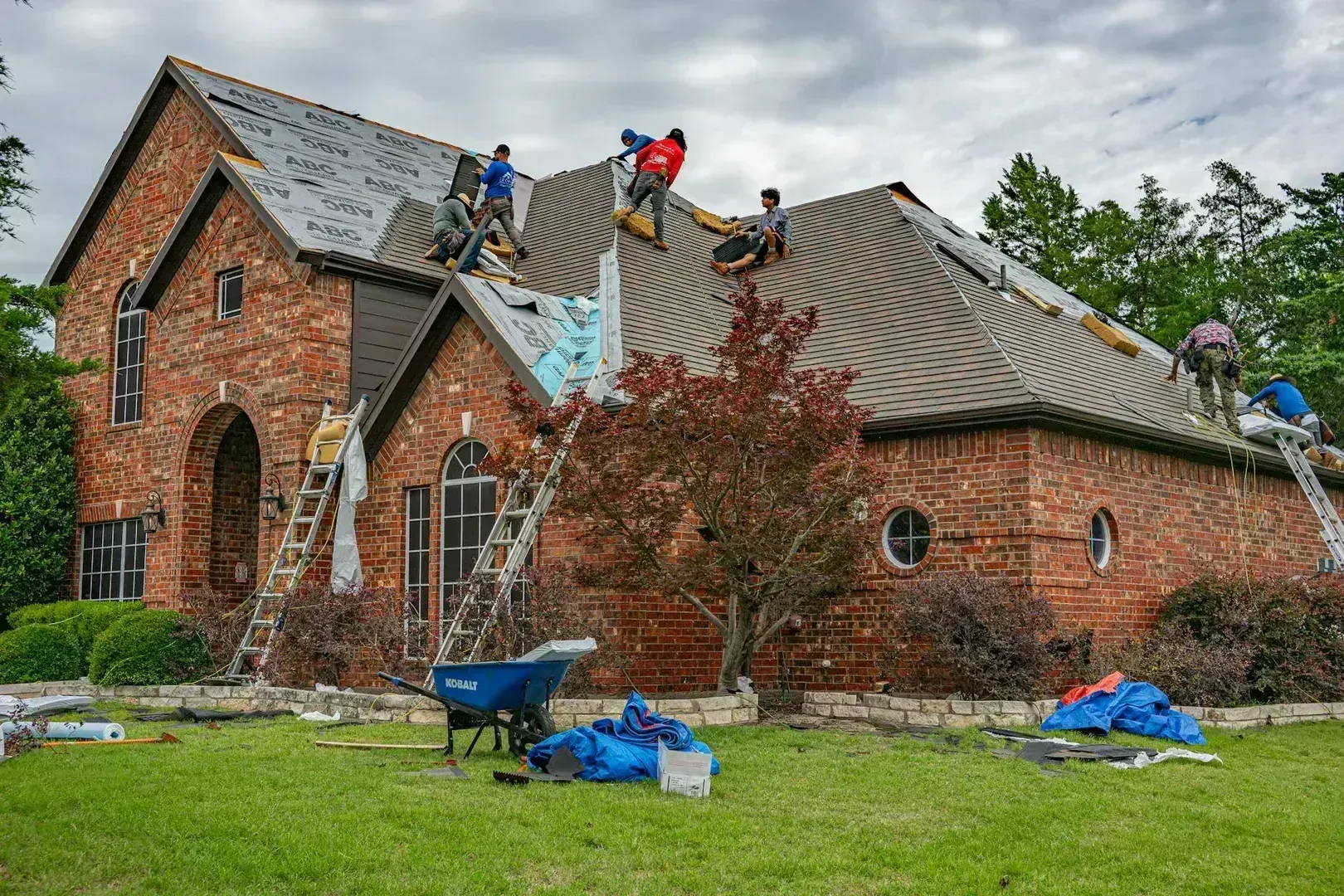
Pitched roofs are a different trade. An asphalt shingle, architectural shingle, or three-tab shingle roof near the end of its life needs a tear-off, and the same goes for wood shake, cedar shake, slate, clay tile, and concrete tile.
On those roofs the underlayment does the waterproofing. We replace worn roofing felt or tar paper with synthetic underlayment, add ice-and-water shield at the valleys, and make sure attic ventilation, soffit vents, insulation, and a working attic fan keep the vapor barrier dry.
We do not torch a modified bitumen cap onto a coated surface, and a gambrel roofline, a metal awning over the entry, or a steep overhang all change how we stage the job.
Why Building Owners in Dallas County Call Dallas Roof Master
We are a licensed and insured roofing contractor working Dallas County roofs from Highland Park and Lakewood to Preston Hollow and Casa View. The May 2012 hail storm is still the damage benchmark many owners measure against, so we quote coating and replacement side by side.
We read the whole roofline, not just the flat sections.
- Free roof estimate with photos, so you can judge the deck condition before you spend a dollar.
- Written roof inspection notes that satisfy most carriers and building code reviewers.
- Work staged around tenants in Uptown, Oak Lawn, or Deep Ellum without closing the building.
- Roof anchors and tie-offs installed so crews can work a parapet safely.
- Snow guards fitted above walkways where freeze-thaw cycles drop sheets of ice.
Signs You Need Roof Coating
Ponding Water After Rain
Water still standing 48 hours after a storm means the pitch or a drain has failed, not just the surface. A coating can bridge small depressions, but the drainage gets fixed first.
Membrane Seams Pulling Apart
Open seams let water wick under the sheet and into the insulation below. We embed reinforcing fabric and reseal each lap before any top coat goes down.
Blistering and Alligatoring
Blistered or alligatoring surfaces mean trapped moisture is pushing the membrane apart from underneath. That pattern calls for a moisture survey before a primer system is specified.
Flashing Pull-Away at the Parapet
When flashing pulls away from the parapet wall, wind-driven rain runs straight behind it. Counter-flashing and coping need resetting, not another bead of caulk.
UV Degradation and Chalking
Dallas summers erode the reflective surface until the membrane chalks and flakes. Once the top ply is gone, heat moves into the building and cooling costs climb.
Interior Stains at Column Lines
Brown rings on a ceiling below a column line usually trace back to a seam or a fastener. That is where we take moisture meter readings across the whole bay.
What's Included
- ✓ A roof asset survey that documents deck condition, drainage, and flashing before we price anything.
- ✓ A written condition report with photos of every seam, penetration, and ponding area we find.
- ✓ Drainage analysis covering scuppers, gutters, downspouts, and the low spots between drains.
- ✓ A manufacturer specification written for your existing membrane, from primer through finish coat.
- ✓ Manufacturer warranty enrollment in your name once the system passes final inspection.
- ✓ Tenant notification coordination, so the work runs around your building's operating schedule.
- ✓ ASTM field testing where adhesion or moisture readings call for a lab-grade answer.
Related Services
Ready to get started? Call us today at 2142865623 for a free estimate.
☎ Call 2142865623